 |
Cathar Castles of the Languedoc |
   |
 |
|
|
|
|
|
||||||||||||||||||||||||||||||||||||||||||||||||||||||||||||||||||||||||||||||||||||||||||||||||||||||||||||||||||||||||||||||||||||||||||||||||||||||||||||||||||||||||||||||||||||||||||||||||||||||||||||||||||||||||||||||||||||
|
|
|
|
|
|
 |
||||||||||||||||||||||||||||||||||||||||||||||||||||||||||||||||||||||||||||||||||||||||||||||||||||||||||||||||||||||||||||||||||||||||||||||||||||||||||||||||||||||||||||||||||||||||||||||||||||||||||||||||||||||||||||||||||||
|
|
France |
| |
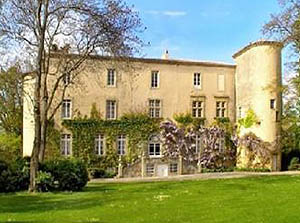
Château d’AgelThe Château d’Agel is a medieval castle In the heart the Languedoc region with a long history stretching back before the Cathar period. It lies in the Minervois region, nestled at the foot of the Black Mountains. The oldest part of the present chateau dates from the 12th century. The château is one of a line of fortified castles built by vassals of the Count of Toulouse and used to resist the Albigensian crusaders in the 13th century. Today this is just about the only Cathar Castle that you are able to stay in. the restored and modernised castle is in private hands, and available for private hire: exclusive use, weddings, private events, corporate events and as a film location. Click here for more ....       
|
Château d'AguilarThe Château d'Aguilar is a 12th century Cathar castle located in the commune of Tuchan in the Aude département of France. In 1210 it was seized and occupied by Simon de Montfort, whose soldiers captured the owner Raymond de Termes and held him in prison in Carcassonne. Militarily, the castle lay dormant for the next 30 years, until Raymond's son Olivier de Termes took back the castle in the brief revolt led by the young viscount Trencavel against the crusaders. Aguilar became the refuge of faidits, Cathar knights and lords dispossessed of their own strongholds. Since 1949, it has been listed as a monument historique by the French Ministry of Culture. Today it is in poor condition, and can be visited by the public. There is no entry fee. Click here for more ....
|
Albi - Episcopal City (Palace and Cathedral)Albi is an ancient city in the south of France. It preserves several distinct sites of walled cités from the Cathar period in the centre of the modern city. Although Albi was not besieged during the Cathar Crusade, it did give its name to adherents of Catharism - Albigeois or Albigensians, as the Caholic Church wrongly imagined it to be the cetre of Catharism in the Languedoc. Albi is located on the River Tarn, in the Tarn departement, Midi-Pyrénées region, 85 km northeast of Toulouse. It was the seat of the Bishop (later Archbishop) of Albi and is the seat of the Diocese of Albi. The episcopal cité around the cathedral (in the center of the modern city), was added to the UNESCO list of World Heritage Sites in 2010. Along with Toulouse and Montauban, Albi is one of the main cities built in Languedoc-style red brick. The bishop's city, a walled area encompassing the bishop's palace and the cathedral) claims to be the largest surviving brick-built complex on earth. Click here for more ....
|
Donjon d'Arques (Château d'Arques)In the early 11th century the castrum of Arques belonged to the Abbey of Lagrasse. At some time during the next hundred years it passed into the hands of the Seigneurs of Termes. The Crusaders passed this way in on their way from their successful siege of Coustaussa , Rhaeda (modern Rennes-le-Château), and Le Bézu without a fight. Simon de Montfort went on to besiege Puivert After the Crusades against the Cathars, and the fall of Termes, Arques was given to one of Simon de Montfort's lieutenants, Pierre de Voisins. It was later reclaimed by Oliver de Termes in 1246 following his surrender to the French Crusaders, but then sold it back to Pierre de Voisins. Click here for more ....
|
Château d'Avignonet (Lauragais)In the middle ages the Count of Toulouse had an important castle at Avignonet-en-Lauragais. Its chatelain was the Count's nephew. Avignonet is famous as the site of a massacre of a group of Inquisitors in 1242, part of a general uprising against the invading French crusaders. This event precipitated the final siege of Montségur and caused heavy penances to be laid on the population of Avignonet-en-Lauragais. Today, Avignonet-en-Lauragais is a small town in the Haute-Garonne lying on the road between Carcassonne and Toulouse, the old Aquitaine road, not far from the Canal du Midi and the modern motorway (A62). The castle is gone, but marked by the village church. Click here for more ....
|
Château de BeaucaireThe castle of Beaucare saw some of the most impressive action of the Wars against the Cathars of the Languedoc, including the turning point in the military career of the Crusade leader Simon de Montfort. Perhaps the most interesting aspect is a siege that took place here when Simon's troops were besieged in the castle by Raymond VII who held the town, while Raymond was himself besieged by Simon camped outside the town. We have vivid accounts of the action, including precious information on what siege engines were used and the countermeasures taken against them. Today a rebuilt castle stands in Beaucaire, open to the public. Click here for more ....
|
Château de BeziersIn the Middle Ages Béziers belonged to the Viscounts of Carcassonne. When the first Cathar Crusade arived in the Languedoc this was their first target. On 22 July 1209 the Crusader army arrived at Béziers on the periphery of the area in the Languedoc where Cathars flourished. There were believed to be around 200 Cathars in the town among a much greater population of sympathetic Catholics. The townspeople, believing their city walls impregnable, were careless, and the town was overrun while the leading Crusader churchmen and nobles were still planning their siege. Today nothing remains of the Viscounts' Castle in Béziers, but the town still bears scars inflicted by the Crusaders. It was here that the abbott-comander gave the famous command "Kill them all - the Lord will recognise His own" Click here for more ....
|
Château du BézuIn the early 11th century the castrum of Arques belonged to the Abbey of Lagrasse. At some time during the next hundred years it passed into the hands of the Seigneurs of Termes. The Crusaders passed this way in on their way from their successful siege of Coustaussa , Rhaeda (modern Rennes-le-Château), and Le Bézu without a fight. Simon de Montfort went on to besiege Puivert After the Crusades against the Cathars, and the fall of Termes, Arques was given to one of Simon de Montfort's lieutenants, Pierre de Voisins. It was later reclaimed by Oliver de Termes in 1246 following his surrender to the French Crusaders, but then sold it back to Pierre de Voisins. Click here for more ....
|
Château de BironThe Château de Biron is a castle in the French commune of Biron in the valley of the Lède, a tributary of the Lot River in the département of Dordogne in Périgord, part of the Aquitaine. Biron was held by Cathars in 1211 and taken by Simon IV de Montfort the following year. The Plantagenets held it at times during the 14th and 15th century. Biron was erected as a duché-pairie in 1598, for Charles de Gontaut, created duc de Biron. The present château bears additions over the centuries that make it a picturesque ensemble: a twelfth century keep, sixteenth-century living quarters, a chapel and vaulted kitchens. The commune purchased the Château de Biron in 1978, with a view to restoring the structure as a tourist draw. Since 1928, the Château de Biron has been listed as a monument historique by the French Ministry of Culture. Click here for more ....
|
Château & Circulade de BramBram was a castrum in the Languedoc, attacked by the army of the French Crusaders. Today there is no trace of the medieval fortifications there. When Bram fell in 1210, 100 prisoners had their noses cropped, their lips cut off and their eyes gauged out. One man was left with one eye so that he could guide the others away. With a hand on the shoulder of the one in front, and the one-eyed man at their head, a file of blind prisoners wound its way to Lastours (Cabaret), a visible demonstration of the ineffable mercy of God's Christian Army. Today, there is almost nothing to see at Bram remaining from the period, though the street layout preserves the pattern of a typical circular village. It lies in the Aude departément. Click here for more ....
|
Château Comtal de CarcassonneThe Château Comtal (Count’s Castle) is a medieval castle within the Cité of Carcassonne, the largest city in Europe with its city walls still intact. The Medieval Cité lies within the modern city of Carcassonne in the Aude department, of which Carcassonne is the prefecture, in the former province of Languedoc. Although the outer curtain wall of the cité is French, and the whole site has been substantially restored, the Château Comptal has a strong claim to be called a "Cathar Castle". When the Catholic Crusader army arrived in 1209 they first attacked Raymond-Roger Trencaval's castrum at The castle was restored in 1853 by the architect Eugène Viollet-le-Duc. It was added to the UNESCO list of World Heritage Sites in 1997.You can visit the medieval cite (free) and the Château Comtal (entry fee). Click here for more ....
|
Château des CassesLes Cassés is a commune in the Aude départementet of the Languedoc-Roussillon région. The modern village of around 200 occupants lies a couple of miles away from a Medieval Village of the same name. Nothing remains of the ancient village, Les Cassés Vielh, except the spur of land on which it sat, and the foundations of its windmill. The site of the castrum is now known as "Le Fort". The castrum was comanded by Raymond and Bernard de Roqueville, who held it under the suzerainity of Raymond VI, Count of Tououse. In 1211 the village, a castrum, sheltered some 94 Cathars. After the fall of Lavaur and the massacre at Montgey, Simon de Montfort and his Crusaders besieged the castrum, on 20 May 2011, taking it, and burning alive 60 Cathar Parfaits who declined to abjure their faith. According to The Song of the Cathar Wars the Cathars were led out of the village . A large fire was lit, and the unfortunates were burned alive "with great joy". The Crusaders went on the besiege Montferrand, Comanded by Baudouin, brother of the Count of Toulouse. Click here for more ....
|
Château de CastelnaudaryCastelnaudary is a commune in the Aude department in the Languedoc-Roussillon region in south France. It is in the former province of the Lauragais and famous for cassoulet of which it claims to be the world capital, and of which it is a major producer. September 1211 saw the first Siege of Castelnaudary during the Cathar (or Albigensian) Crusades. Simon de Montfort was besieged in Castelnaudary by the Count of Toulouse and his ally the Count of Foix. The outcome was inconclusive. July 1220 to March 1221 saw a second siege of Castelnaudary Today there are no remnants of the Cathar period to see at Castenaudary. En 1623, Louis XIII had the château de Castelnaudary demolished. At the end of the XVII century a prison was built on the site which functioned until 1926. Today the building on the site is known as the Présidial a primary school, prison, and museum, also a small prison chapel chapel Saint-Pierre Click here for more ....
|
Château de CoustaussaThe ruined chateau and modern village of Coustaussa is situated in the high valley of the Aude, above the river Sals between Arques and Couiza. On their way back from Termes in late November 1210, Simon de Montfort and his Crusaders found the Château at Coustaussa already abandoned, and so carried on to Puivert. Apparently the garrison at Coustaussa, like the one at Le Bézu had lost heart after the fall of Termes. Picturesque but dangerous ruins. Free entry. Click here for more ....
|
FanjeauxFanjeaux (Occitan: Fanjaus) is a village and commune in the Aude department of the Languedoc. In the medieval period Fanjeaux was a large castrum in the Lauragais and an important centre of Cathar belief. It was then surrounded by a moat and defended by ramparts with fourteen towers ("tours"). Two entries serve as reminders of the medieval gates which controlled entry into the town. Like most Languedoc castra it had a large castle (Château fort) within its walls - considered a "paradise" by one troubadour. Almost nothing of it remains today. In 1204 Esclaremond de Foix received the Cathar Consolamentum at the Château here in the presence of her brother, the Count of Foix. The site of the Château hall where the ceremony took place is now marked by a Catholic Dominican chapel, supposedly marking the site of one of Saint Dominic's miracles. You can trace the old city walls and surrounding dry moat, now marked by a road. An outbuilding belonging to the new Château (13th century) also survives and according to a dubious Dominican tradition once served as Saint Dominic's Fanjeaux residence. Click here for more ....
|
Saint-Pierre de FenouilletThe Château Saint-Pierre de Fenouillet is a ruined castle in the village of Fenouillet, Pyrénées-Orientales, Languedoc-Roussion. It is also known as The Château de Fenouillet, or the Château Saint-Pierre. In the Middle Ages, the Château Saint-Pierre Fenouillet was the seat of the Viscounts of the area around Fenouillet, known then and now as the Fenouillides (Fenolheda). The Viscounty was claimed at various times by the Counts of Carcassonne, Cerdanya, Besalù, Roussillon, Narbonne and Barcelona. Fenouillet lay at the centre of important networks, geographic, military and social. The position controls access to mountain valleys. The castle here provided a military headquarters most notably during the Cathar period. The Viscounts of Fenouillet also occupied an important position, with influence beyond Carcassonne and Barcelona. It also served as a refuge to faydits, disposed Cathars with nowhere else to go. Nearby are two other castles Sabarda and Castel-Fizel, protecting access. Click here for more ....
|
Château de FoixThe Château de Foix is a castle in the French département of Ariège. An important tourist site, it dominates the town of Foixit and was once a Cathar Castle. It is listed as a monument historique by the French Ministry of Culture. In the 12th and 13th centuries the castle had only 2 square towers; the round tower was only added in the 15th century. It was the home of the celebrated family of counts who became the viscount of Béarn, then kings of Navarre andkings of France.. In 1002 the castle figured in the testament of Roger the first count of Carcassonne who bequeathed it to his eldest son Bernard. Bernard Roger is the first to use the title Comte de Foix. The castle was the count's maion residence until 1290. Click here for more ....
|
Château de HautpoulBuilt on a rocky spur, the original fortress of Hautpoul, overlooks surrounding valleys and controls access to the Black Mountains. The original castle here was supposedly built in 413 by the Visigoths on the side of a mountain, defended by almost inaccessible cliffs. This fortress controlled the Arnettte and the Thoré valleys, overlooking the plain where the town of Mazamet now stands. Hautpoul takes its name from the contraction of alto pullo, roughly "high-chicken" or perhaps "high-perch". The castle and town was besieged by Simon de Montfort in 1212 during the Crusade against the Cathars of the Languedoc. It fell after four days, but the survivors seem to have returned to Catharism as soon as the Crusaders left. It was besieged again during the wars of Religion between Catholics and Huguenots. Today only vestiges of the medieval castle remain. Click here for more ....
|
Châteaux de LastoursAn unusual arrangement of three castle towers (Las Tours, The Towers) this fortification belonged to the Lords of Cabaret, who held in fief from the Trencavels. In the thirteenth century there were three towers here, built on the same rocky outcrop. They are called Cabaret (to the north), Quertinheux and Surdespine (to the south). These are some of the few original Cathar castles left. The Seigneurs of Cabaret received troubadours here, including Raymond de Miraval and Peire Vidal, who dedicated verses to the Cathar Ladies of the place. Click here for more ....
|
Château de LavaurIn March 1211, during the wars against the Cathars of the Languedoc, Lavaur was besieged by Simon de Montfort. The town fell on 3rd of May, 1211, following which the French Catholic Crusaders excelled even themselves in cruelty and disregard for the accepted rules of war. The head of the garrison, Aimeric-de-Montréal, was hanged along with his knights. His widowed sister, the chatelaine of Lavaur, Gerauda (or Geralda) de Lavaur, was brutally murdered. Today nothing remains of the Medieval Castle, but you can visit a memorial commemorating Lady Gerauda' s murder and the loss of indendependance of the people of Occitania, and also a Cathral built to mark the Catholic victory. Click here for more ....
|
Château de MarmandeMarmande was a bastide founded about 1195 on the site of a more ancient town by King Richard I (Coeur de Lion or Lionheart). It had passed into the hands of the counts of Toulouse, and was besieged three times during the Cathar crusades. Prince Louis (the future King Louis) arrived with 20 bishops, 30 counts, 600 knights and 10,000 foot soldiers, having joined the army of the Pope's legate Abbott Arnaud Amaury. The city of some 7000 people fell after the first assault, and was sacked. The victors held a council and decided to follow Old Testament teaching - that men, women, old people and children should be executed. The massacre that followed shocked even the crusaders' own allies. Today nothing remains of the chateau here and very little of the city walls. Click here for more ....
|
Château de MinerveMinerve (Occitan: Menèrba) is a commune in the Hérault département in Languedoc-Roussillon in southern France. It was the site of a ten week siege by Simon de Montfort during the Cathar Crusades, after which some 180 Cathars were burned to death at the insistence of Catholic Church leaders. The village was protected by a double curtain wall, and overhanging natural ledges; but this did not stop Simon de Montfort's crusader army. They set up four catapults around the fortification in 1210: three to attack the village, and the largest, called Malevoisine ("Bad Neighbour"), to attack the town's water supply. Viscount Guilhem of Minerve and the 200 men of his garrison could not resist for long. The defensive walls were breached by St Rustique's well, and Guilhem was obliged to negotiated the town's surrender. Minerve is located on above the River Cesse in a naturally strong defensive position. Near the village the river disappears underground in a large, natural tunnel. There are a few vestiges of the medieval castle remaining and some moving monuments to the Cathar martyrs. The village's antiquity is evident from its name, for a temple to the goddess Minerva once occupied the site. Click here for more ....
|
Château de MontaillouMontaillou is a small village in the remote Sabarthès area where Catharism was revived in the fouteenth century. In 1318 the whole village was arrested on the orders of the bishop of Pamiers, Jacques Fournier, who had been the Cistercian Abbot of Fontfroide and who now felt a vocation as an Inquisitor. Exceptionally, he was interested in the truth about Catharism, and he kept records of the interrogations. Even more exceptionally, years later he was elected Pope (Benedict XII) so his records were preserved in the Vatican archives. These records form the basis of a book about the village by Emmanuel Le Roy Ladurie. Click here for more ....
|
Château de MontségurThe Château de Montségur is probably the best known of all Cathar Castles. It is famous as the last Cathar stronghold, which fell after a 10 month siege in 1244. A field below the hill-top castle is reputed to be where over 200 Cathars were burned alive, having refused to renounce their faith. A building on this site sheltered a community of Cathar women at the end of the twelfth century. Early in the thirteenth, Ramon de Pereille the co-seigneur and Chatelain, was asked to make it defensible, anticipating the problems to come. It is open to the public, as is a museum in the nearby modern village of Montségur. There is an entrance fee for both. Click here for more ....
|
Château de MuretThe Battle of Muret was fought on 12 September 1213. It started as a siege of the castle castle there, but ended as an open battle - one of the very few of the Cathar Crusades. Muret is located near Toulouse The Crusader army of Simon IV de Montfort defeated the Aragonese and Catalan forces of Peter II of Aragon, who had come to the aid of the Occitan forces of his vassal Raymond of Toulouse. Muret is a commune in the Haute-Garonne department in southwestern France. Today It is an outer suburb of the city of Toulouse, though it does not belong to Greater Toulouse, which it declined to join. It lies southwest of Toulouse and is the largest component of the intercommunality of Muretain. Today there is no vestige of the Medieval castle there. Click here for more ....
|
Château de PeyrpertusePeyrepertuse is a ruined fortress and one of the Cathar castles of the Languedoc located high in the French Pyrénées in the commune of Duilhac-sous-Peyrepertuse, in the Aude département. It was associated with the Counts of Narbonne and Barcelona. It stands at 800m high. The name of Peyrepetuse derived from Occitan and means Pierced Rock. The castle was built on a strategic location by the kings of Aragon (lower) in the 11th Century and by Louis IX (higher) later on. The two castles are linked together by a huge staircase. The castle lost importance as a strategic castle when the border between France and Spain was moved in 1659, causing the castle to be abandoned. Click here for more ....
|
Château de PieusseThis is an exception. If you want to see what castles looked like in the Cathar period, pay a visit to the village of Pieusse, near Limoux. Although you will find it in no tourist literature, this is the most representative "Cathar Castle" still standing. It is in private hands and not open to the public - which is why you won't find it in the tourist literature (no one to take your money). Click here for more ....
|
Château La CommanderieThis is a rare castle - a genuine Cathar Château that is still inhabited. It was built by Guilhem de Planh (Guilhaume de Plaigne) a key figure in the events at Avignonet in 1242 and the tragedy of Montségur 1244. The Chateau was sold the Knights of Malta (The Knights Hospitaller or Knights of St-John) in the seventeenth century. It has been completely refurbished as a handsome private residence set in its own grounds and available for exclusive hire. It is available for weddings and other private functions, and for business conferences. It is located in the heart of Cathar Country in the Aude department in the Languedoc, between Carcassonne and Toulouse. Click here for more ....
|
Château de PuilaurensThe Château de Puilaurens (Occitan: lo Castèl de Puèg-Laurenç) is one of the Cathar Castles of the Languedoc in what is now the South of France. It is located in the commune of Lapradelle-Puilaurens in the Aude département. The castle stands on a spur of rock above the Boulzane Valley and the villages of Lapradelle and Puilaurens. There is a path from Axat to the castle. The castle here had belonged to the Abbey of Saint-Michel de Cuxa before it was acquired by the King of Aragon in 1162. As Aragonese property it was outside the territory ravaged by the Crusaders during the Cathar wars. Like Queribus it therefore provided a refuge for those fleeing from the invading forces. Those who took refuge there included both Cathars and faidits, that is to say those who had forfeited their property because of their opposition to the invaders. These faidits included high nobles, such as Guillaume de Peyrepertuse. Click here for more ....
|
Château de PuivertThe Château de Puivert is a Cathar castle situated in the commune of Puivert, in the Aude département of the Languedoc. This building, on top a hill overlooking the village and its lake, reaches an altitude of 605 m. In the twelfth century a castle stood on this site, which had strong Cathar and troubadour links. A meeting of troubadours took place here in 1170, and in 1185 festivities attended by the Viscount of Carcassonne and Loba, Lady of Cabaret. The castle has been listed as a monument historique by the French Ministry of Culture since 1902.The castle of Puivert is still in relatively good condition. It is privately owned, but open to the public and undergoing restoration. Click here for more ....
|
Château de QueribusThis is sometimes regarded as the last Cathar stronghold. In a sense it was. After the fall of the Château of Montségur (Occitan Montsegùr) in 1244 surviving Cathars gathered together in the Corbières in another mountain-top stronghold on the border of Aragon (The present border between the Aude département and the Pyrénées-Orientales département). Quéribus is high and isolated. It stands on top of the highest peak for miles around. From a distance it can be seen on the horizon, pointing up into the sky. It is accessible to visitors. You can drive almost to it, walking just the last few hundred metres. The entrance to the castle itself is very steep and narrow – a defensive measure. Notice the number of arrow loops covering the approach. Click here for more ....
|
Château de RoquefixadeThe Château de Roquefixade is a ruined Cathar castle built on a cliff overlooking the village of Roquefixade. It lies 8km (5 miles) west of Lavelanet in the département of Ariège in Southern France. There are records of a castle on the site going back to 1180, though the present ruins are more recent. A castle on this site provided refuge for Cathars at the time of the Cathar wars (Albigensian Crusade). The Château de Roquefixade has been listed as a Historical Monument (monument historique) by the French Ministry of Culture since 1995. It is open to the public. Click here for more ....
|
Château de SaissacThe Château de Saissac is a semi-ruined Cathar Castle on a promontory at the southernmost tip of the commune of Saissac, in the Aude département located north-west of Carcassonne. The village of Saissac and its castle (or château fort) dominates the rocky headland and the ravine of the river Vernassonne, overlooking the plain of Carcassonne at an important strategic position at the entry of the Black Mountains (Montagnes Noires). Today the ruins are protected as official historical monuments of France (monument historique). Click here for more ....
|
Château de TermesThe Château de Termes is a ruined castle near the village of Termes in the Aude département of the Languedoc. Built on a promontory it is defended on three sides by deep ravines. The ruins of the castle cover an area of 16 000m². Held by Ramon (Raymond) de Termes during the Cathar War , the castle fell to Simon de Montfort after a siege lasting four months, from August to November 1210, the hardest siege of the first period of the Albigensian Crusade. Termes was a powerful castle sited on top of a large natural hill
in the Corbières
(in the present departement of the Aude
département but then part of the County of the Razès).
It consisted of a citadel within town walls (the castrum) and with
a suburb (burg) next to it with its own defensive walls. Like the
Château
of Montségur (
|
Château NarbonnaiseLike most towns, Toulouse was defended by city walls with a seigniorial castle providing a second line of defence. The castle of the Counts of Toulouse was on the west side of the city, and known as the Château Narbonnais. The City was repeatedly besieged, and repeatedly withstood the Catholic Crusaders, though it had to be surrendered under treaties of surrender. On 12th September 1217 Raymond VI of Toulouse re-entered the City of Toulouse to the delight of the population, trapping Simon de Montfort's wife family within the Château Narbonnais. Simon himself died here the following year while besieging the city for a third time - to the great rejoicing of the population.. The Château Narbonnais survived the Crusades but was dismantled in 1549. The Palaise de Justice now stands on the site. Archaelogical excavations have revealed some of the foundations of the old Counts' Chateau. You can find much of the city's history commemorated by art in the Capitol in the heart of Toulouse. Click here for more ....
|
Château d'UssonUpstream from Axat in the Aude Gorge, carved out of the foothills of the the high Pyrenees, is the little known castle of Usson. It dates from the eleventh century (perhaps earlier) and during the Cathar period marked the eastern boundary of the territories of the Counts of Foix. In the twelfth century this was the capital of the Donezan region. Before the Défilé was cut through the mountains to link Quillan to Axat, this was an inaccessible outpost providing succour for faidits and other persecuted Cathars. The Cathar bishop of Toulouse Guilhabert de Castres is known to have taken refuge here. Click here for more ....
|
Château de Villerouge-TermenesThe castle, in the middle of the present village, had belonged to the Archbishops of Narbonne until it was seized by Simon de Montfort and given to one of his lieutenants when nearby Termes was taken in 1210. It was here that the last known cathar parfit, Guilhem Belibaste, was burnt alive in 1321. The castle is open to the public and medival feasts are held here in the summer. Click here for more ....
|
|
||||||||||||||||||||||||||||||||||||||||||||||||||||||||||||||||||||||||||||||||||||||||||||||||||||||||||||||||||||||||||||||||||||||||||||||||||||||||||||||||||||||||||||||||||||||||||||||||
|
|
|||||||||||||||||||||||||||||||||||||||||||||||||||||||||||||||||||||||||||||||||||||||||||||||||||||||||||||||||||||||||||||||||||||||||||||||||||||||||||||||||||||||||||||||||||||||||||||||||||||||||||||||||||||||||||||||||||||||||
|
|
|
|
|||||||||||||||||||||||||||||||||||||||||||||||||||||||||||||||||||||||||||||||||||||||||||||||||||||||||||||||||||||||||||||||||||||||||||||||||||||||||||||||||||||||||||||||||||||||||||||||||||||||||||||||||||||||||||||||||||||||

|
|||||||||||||||||||||||||||||||||||||||||||||||||||||||||||||||||||||||||||||||||||||||||||||||||||||||||||||||||||||||||||||||||||||||||||||||||||||||||||||||||||||||||||||||||||||||||||||||||||||||||||||||||||||||||||||||||||||||||
|
|
|||||||||||||||||||||||||||||||||||||||||||||||||||||||||||||||||||||||||||||||||||||||||||||||||||||||||||||||||||||||||||||||||||||||||||||||||||||||||||||||||||||||||||||||||||||||||||||||||||||||||||||||||||||||||||||||||||||||||
|
|
|
|
|||||||||||||||||||||||||||||||||||||||||||||||||||||||||||||||||||||||||||||||||||||||||||||||||||||||||||||||||||||||||||||||||||||||||||||||||||||||||||||||||||||||||||||||||||||||||||||||||||||||||||||||||||||||||||||||||||||||
|
|
|
|
|||||||||||||||||||||||||||||||||||||||||||||||||||||||||||||||||||||||||||||||||||||||||||||||||||||||||||||||||||||||||||||||||||||||||||||||||||||||||||||||||||||||||||||||||||||||||||||||||||||||||||||||||||||||||||||||||||||||
|
|
|
|
|||||||||||||||||||||||||||||||||||||||||||||||||||||||||||||||||||||||||||||||||||||||||||||||||||||||||||||||||||||||||||||||||||||||||||||||||||||||||||||||||||||||||||||||||||||||||||||||||||||||||||||||||||||||||||||||||||||||




|
|
|
|
|
|
||||
|
|||||||||


| :::: Link to us :::: Castle and Manor Houses Resources ::: © C&MH 2010-2016 ::: contact@castlesandmanorhouses.com ::: Advertising ::: |