Photographs ofItalian Castles and Manor Houses
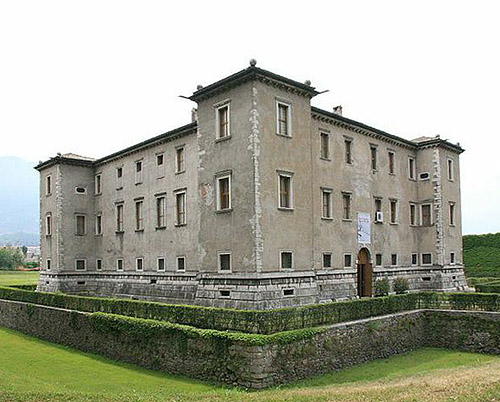
Castello delle AlbereTrento, ItalyCastello delle Albere or Palazzo delle Albere is
a Renaissance villa-fortress in northern Italy. It was built during
the 16th century by the Madruzzo family of prince-bishops of Trento.It takes its name (literally "Palace of the
trees ") from the rows of poplars that once led to the castle.
It has a square plan, with four square, 6 m-wide and 20 m tall corner
towers, surrounded by a ditch. It is surrounded by a park.The third floor has Renaissance frescoes, depicting
imaginary landscapes with ruins and castles, as well as the seven
Liberal arts, the four Cardinal virtues and the three Theological
virtues.According the legend, the castle was connected
by a secret tunnel to the city's cathedral, which was used by the
prince-bishops move unseen between them. Since 1987, it has been
the seat of the Trento and Rovereto Museum of Modern and Contemporary
Art (MART).
Castello delle AlbereTrento, ItalyCastello delle Albere or Palazzo delle Albere is
a Renaissance villa-fortress in northern Italy. It was built during
the 16th century by the Madruzzo family of prince-bishops of Trento.It takes its name (literally "Palace of the
trees ") from the rows of poplars that once led to the castle.
It has a square plan, with four square, 6 m-wide and 20 m tall corner
towers, surrounded by a ditch. It is surrounded by a park.The third floor has Renaissance frescoes, depicting
imaginary landscapes with ruins and castles, as well as the seven
Liberal arts, the four Cardinal virtues and the three Theological
virtues.According the legend, the castle was connected
by a secret tunnel to the city's cathedral, which was used by the
prince-bishops move unseen between them. Since 1987, it has been
the seat of the Trento and Rovereto Museum of Modern and Contemporary
Art (MART).
Castello delle AlbereTrento, ItalyCastello delle Albere or Palazzo delle Albere is
a Renaissance villa-fortress in northern Italy. It was built during
the 16th century by the Madruzzo family of prince-bishops of Trento.It takes its name (literally "Palace of the
trees ") from the rows of poplars that once led to the castle.
It has a square plan, with four square, 6 m-wide and 20 m tall corner
towers, surrounded by a ditch. It is surrounded by a park.The third floor has Renaissance frescoes, depicting
imaginary landscapes with ruins and castles, as well as the seven
Liberal arts, the four Cardinal virtues and the three Theological
virtues.According the legend, the castle was connected
by a secret tunnel to the city's cathedral, which was used by the
prince-bishops move unseen between them. Since 1987, it has been
the seat of the Trento and Rovereto Museum of Modern and Contemporary
Art (MART).
Castello delle AlbereTrento, ItalyCastello delle Albere or Palazzo delle Albere is
a Renaissance villa-fortress in northern Italy. It was built during
the 16th century by the Madruzzo family of prince-bishops of Trento.It takes its name (literally "Palace of the
trees ") from the rows of poplars that once led to the castle.
It has a square plan, with four square, 6 m-wide and 20 m tall corner
towers, surrounded by a ditch. It is surrounded by a park.The third floor has Renaissance frescoes, depicting
imaginary landscapes with ruins and castles, as well as the seven
Liberal arts, the four Cardinal virtues and the three Theological
virtues.According the legend, the castle was connected
by a secret tunnel to the city's cathedral, which was used by the
prince-bishops move unseen between them. Since 1987, it has been
the seat of the Trento and Rovereto Museum of Modern and Contemporary
Art (MART).
Castello delle AlbereTrento, ItalyCastello delle Albere or Palazzo delle Albere is
a Renaissance villa-fortress in northern Italy. It was built during
the 16th century by the Madruzzo family of prince-bishops of Trento.It takes its name (literally "Palace of the
trees ") from the rows of poplars that once led to the castle.
It has a square plan, with four square, 6 m-wide and 20 m tall corner
towers, surrounded by a ditch. It is surrounded by a park.The third floor has Renaissance frescoes, depicting
imaginary landscapes with ruins and castles, as well as the seven
Liberal arts, the four Cardinal virtues and the three Theological
virtues.According the legend, the castle was connected
by a secret tunnel to the city's cathedral, which was used by the
prince-bishops move unseen between them. Since 1987, it has been
the seat of the Trento and Rovereto Museum of Modern and Contemporary
Art (MART).
Castello delle AlbereTrento, ItalyCastello delle Albere or Palazzo delle Albere is
a Renaissance villa-fortress in northern Italy. It was built during
the 16th century by the Madruzzo family of prince-bishops of Trento.It takes its name (literally "Palace of the
trees ") from the rows of poplars that once led to the castle.
It has a square plan, with four square, 6 m-wide and 20 m tall corner
towers, surrounded by a ditch. It is surrounded by a park.The third floor has Renaissance frescoes, depicting
imaginary landscapes with ruins and castles, as well as the seven
Liberal arts, the four Cardinal virtues and the three Theological
virtues.According the legend, the castle was connected
by a secret tunnel to the city's cathedral, which was used by the
prince-bishops move unseen between them. Since 1987, it has been
the seat of the Trento and Rovereto Museum of Modern and Contemporary
Art (MART).
Castello delle AlbereTrento, ItalyCastello delle Albere or Palazzo delle Albere is
a Renaissance villa-fortress in northern Italy. It was built during
the 16th century by the Madruzzo family of prince-bishops of Trento.It takes its name (literally "Palace of the
trees ") from the rows of poplars that once led to the castle.
It has a square plan, with four square, 6 m-wide and 20 m tall corner
towers, surrounded by a ditch. It is surrounded by a park.The third floor has Renaissance frescoes, depicting
imaginary landscapes with ruins and castles, as well as the seven
Liberal arts, the four Cardinal virtues and the three Theological
virtues.According the legend, the castle was connected
by a secret tunnel to the city's cathedral, which was used by the
prince-bishops move unseen between them. Since 1987, it has been
the seat of the Trento and Rovereto Museum of Modern and Contemporary
Art (MART).
Castello delle AlbereTrento, ItalyCastello delle Albere or Palazzo delle Albere is
a Renaissance villa-fortress in northern Italy. It was built during
the 16th century by the Madruzzo family of prince-bishops of Trento.It takes its name (literally "Palace of the
trees ") from the rows of poplars that once led to the castle.
It has a square plan, with four square, 6 m-wide and 20 m tall corner
towers, surrounded by a ditch. It is surrounded by a park.The third floor has Renaissance frescoes, depicting
imaginary landscapes with ruins and castles, as well as the seven
Liberal arts, the four Cardinal virtues and the three Theological
virtues.According the legend, the castle was connected
by a secret tunnel to the city's cathedral, which was used by the
prince-bishops move unseen between them. Since 1987, it has been
the seat of the Trento and Rovereto Museum of Modern and Contemporary
Art (MART).
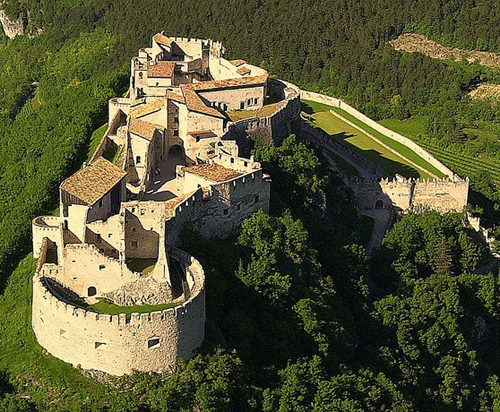
Castello delle AlbereTrento, ItalyCastello delle Albere or Palazzo delle Albere is
a Renaissance villa-fortress in northern Italy. It was built during
the 16th century by the Madruzzo family of prince-bishops of Trento.It takes its name (literally "Palace of the
trees ") from the rows of poplars that once led to the castle.
It has a square plan, with four square, 6 m-wide and 20 m tall corner
towers, surrounded by a ditch. It is surrounded by a park.The third floor has Renaissance frescoes, depicting
imaginary landscapes with ruins and castles, as well as the seven
Liberal arts, the four Cardinal virtues and the three Theological
virtues.According the legend, the castle was connected
by a secret tunnel to the city's cathedral, which was used by the
prince-bishops move unseen between them. Since 1987, it has been
the seat of the Trento and Rovereto Museum of Modern and Contemporary
Art (MART).
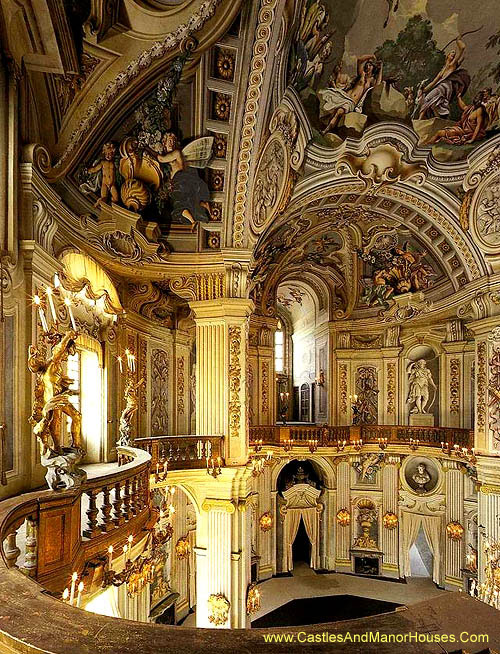
Castello delle AlbereTrento, ItalyCastello delle Albere or Palazzo delle Albere is
a Renaissance villa-fortress in northern Italy. It was built during
the 16th century by the Madruzzo family of prince-bishops of Trento.It takes its name (literally "Palace of the
trees ") from the rows of poplars that once led to the castle.
It has a square plan, with four square, 6 m-wide and 20 m tall corner
towers, surrounded by a ditch. It is surrounded by a park.The third floor has Renaissance frescoes, depicting
imaginary landscapes with ruins and castles, as well as the seven
Liberal arts, the four Cardinal virtues and the three Theological
virtues.According the legend, the castle was connected
by a secret tunnel to the city's cathedral, which was used by the
prince-bishops move unseen between them. Since 1987, it has been
the seat of the Trento and Rovereto Museum of Modern and Contemporary
Art (MART).
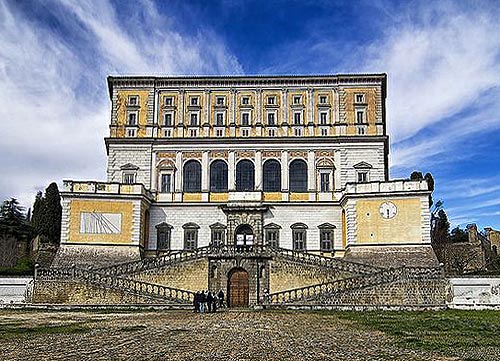
Castello delle AlbereTrento, ItalyCastello delle Albere or Palazzo delle Albere is
a Renaissance villa-fortress in northern Italy. It was built during
the 16th century by the Madruzzo family of prince-bishops of Trento.It takes its name (literally "Palace of the
trees ") from the rows of poplars that once led to the castle.
It has a square plan, with four square, 6 m-wide and 20 m tall corner
towers, surrounded by a ditch. It is surrounded by a park.The third floor has Renaissance frescoes, depicting
imaginary landscapes with ruins and castles, as well as the seven
Liberal arts, the four Cardinal virtues and the three Theological
virtues.According the legend, the castle was connected
by a secret tunnel to the city's cathedral, which was used by the
prince-bishops move unseen between them. Since 1987, it has been
the seat of the Trento and Rovereto Museum of Modern and Contemporary
Art (MART).
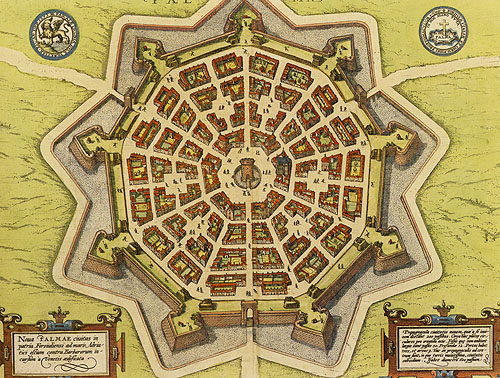
Castello delle AlbereTrento, ItalyCastello delle Albere or Palazzo delle Albere is
a Renaissance villa-fortress in northern Italy. It was built during
the 16th century by the Madruzzo family of prince-bishops of Trento.It takes its name (literally "Palace of the
trees ") from the rows of poplars that once led to the castle.
It has a square plan, with four square, 6 m-wide and 20 m tall corner
towers, surrounded by a ditch. It is surrounded by a park.The third floor has Renaissance frescoes, depicting
imaginary landscapes with ruins and castles, as well as the seven
Liberal arts, the four Cardinal virtues and the three Theological
virtues.According the legend, the castle was connected
by a secret tunnel to the city's cathedral, which was used by the
prince-bishops move unseen between them. Since 1987, it has been
the seat of the Trento and Rovereto Museum of Modern and Contemporary
Art (MART).
Castello delle AlbereTrento, ItalyCastello delle Albere or Palazzo delle Albere is
a Renaissance villa-fortress in northern Italy. It was built during
the 16th century by the Madruzzo family of prince-bishops of Trento.It takes its name (literally "Palace of the
trees ") from the rows of poplars that once led to the castle.
It has a square plan, with four square, 6 m-wide and 20 m tall corner
towers, surrounded by a ditch. It is surrounded by a park.The third floor has Renaissance frescoes, depicting
imaginary landscapes with ruins and castles, as well as the seven
Liberal arts, the four Cardinal virtues and the three Theological
virtues.According the legend, the castle was connected
by a secret tunnel to the city's cathedral, which was used by the
prince-bishops move unseen between them. Since 1987, it has been
the seat of the Trento and Rovereto Museum of Modern and Contemporary
Art (MART).
Castello delle AlbereTrento, ItalyCastello delle Albere or Palazzo delle Albere is
a Renaissance villa-fortress in northern Italy. It was built during
the 16th century by the Madruzzo family of prince-bishops of Trento.It takes its name (literally "Palace of the
trees ") from the rows of poplars that once led to the castle.
It has a square plan, with four square, 6 m-wide and 20 m tall corner
towers, surrounded by a ditch. It is surrounded by a park.The third floor has Renaissance frescoes, depicting
imaginary landscapes with ruins and castles, as well as the seven
Liberal arts, the four Cardinal virtues and the three Theological
virtues.According the legend, the castle was connected
by a secret tunnel to the city's cathedral, which was used by the
prince-bishops move unseen between them. Since 1987, it has been
the seat of the Trento and Rovereto Museum of Modern and Contemporary
Art (MART).
Castello delle AlbereTrento, ItalyCastello delle Albere or Palazzo delle Albere is
a Renaissance villa-fortress in northern Italy. It was built during
the 16th century by the Madruzzo family of prince-bishops of Trento.It takes its name (literally "Palace of the
trees ") from the rows of poplars that once led to the castle.
It has a square plan, with four square, 6 m-wide and 20 m tall corner
towers, surrounded by a ditch. It is surrounded by a park.The third floor has Renaissance frescoes, depicting
imaginary landscapes with ruins and castles, as well as the seven
Liberal arts, the four Cardinal virtues and the three Theological
virtues.According the legend, the castle was connected
by a secret tunnel to the city's cathedral, which was used by the
prince-bishops move unseen between them. Since 1987, it has been
the seat of the Trento and Rovereto Museum of Modern and Contemporary
Art (MART).
Castello delle AlbereTrento, ItalyCastello delle Albere or Palazzo delle Albere is
a Renaissance villa-fortress in northern Italy. It was built during
the 16th century by the Madruzzo family of prince-bishops of Trento.It takes its name (literally "Palace of the
trees ") from the rows of poplars that once led to the castle.
It has a square plan, with four square, 6 m-wide and 20 m tall corner
towers, surrounded by a ditch. It is surrounded by a park.The third floor has Renaissance frescoes, depicting
imaginary landscapes with ruins and castles, as well as the seven
Liberal arts, the four Cardinal virtues and the three Theological
virtues.According the legend, the castle was connected
by a secret tunnel to the city's cathedral, which was used by the
prince-bishops move unseen between them. Since 1987, it has been
the seat of the Trento and Rovereto Museum of Modern and Contemporary
Art (MART).
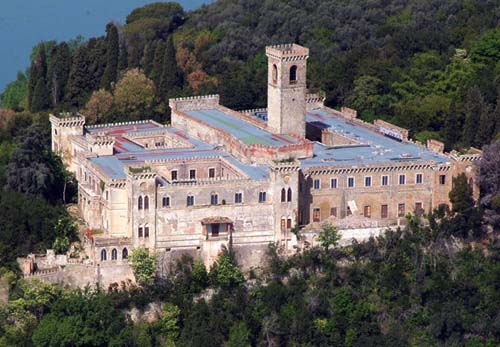
Castello delle AlbereTrento, ItalyCastello delle Albere or Palazzo delle Albere is
a Renaissance villa-fortress in northern Italy. It was built during
the 16th century by the Madruzzo family of prince-bishops of Trento.It takes its name (literally "Palace of the
trees ") from the rows of poplars that once led to the castle.
It has a square plan, with four square, 6 m-wide and 20 m tall corner
towers, surrounded by a ditch. It is surrounded by a park.The third floor has Renaissance frescoes, depicting
imaginary landscapes with ruins and castles, as well as the seven
Liberal arts, the four Cardinal virtues and the three Theological
virtues.According the legend, the castle was connected
by a secret tunnel to the city's cathedral, which was used by the
prince-bishops move unseen between them. Since 1987, it has been
the seat of the Trento and Rovereto Museum of Modern and Contemporary
Art (MART).
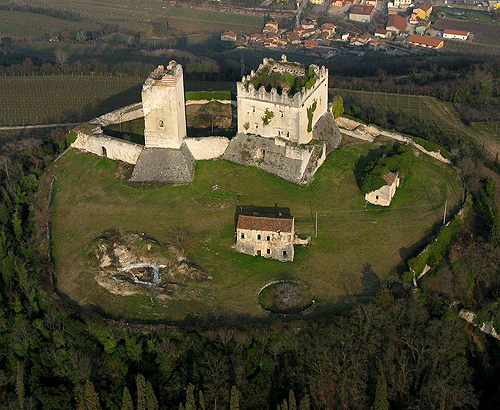
Castello delle AlbereTrento, ItalyCastello delle Albere or Palazzo delle Albere is
a Renaissance villa-fortress in northern Italy. It was built during
the 16th century by the Madruzzo family of prince-bishops of Trento.It takes its name (literally "Palace of the
trees ") from the rows of poplars that once led to the castle.
It has a square plan, with four square, 6 m-wide and 20 m tall corner
towers, surrounded by a ditch. It is surrounded by a park.The third floor has Renaissance frescoes, depicting
imaginary landscapes with ruins and castles, as well as the seven
Liberal arts, the four Cardinal virtues and the three Theological
virtues.According the legend, the castle was connected
by a secret tunnel to the city's cathedral, which was used by the
prince-bishops move unseen between them. Since 1987, it has been
the seat of the Trento and Rovereto Museum of Modern and Contemporary
Art (MART).
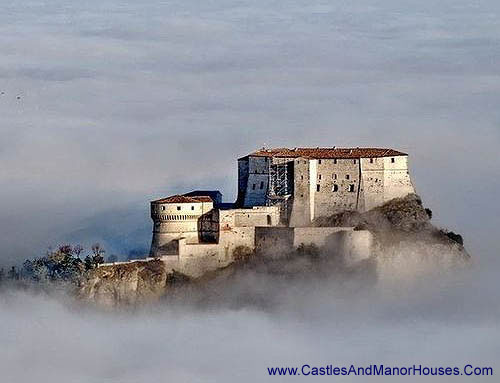
Castello delle AlbereTrento, ItalyCastello delle Albere or Palazzo delle Albere is
a Renaissance villa-fortress in northern Italy. It was built during
the 16th century by the Madruzzo family of prince-bishops of Trento.It takes its name (literally "Palace of the
trees ") from the rows of poplars that once led to the castle.
It has a square plan, with four square, 6 m-wide and 20 m tall corner
towers, surrounded by a ditch. It is surrounded by a park.The third floor has Renaissance frescoes, depicting
imaginary landscapes with ruins and castles, as well as the seven
Liberal arts, the four Cardinal virtues and the three Theological
virtues.According the legend, the castle was connected
by a secret tunnel to the city's cathedral, which was used by the
prince-bishops move unseen between them. Since 1987, it has been
the seat of the Trento and Rovereto Museum of Modern and Contemporary
Art (MART).
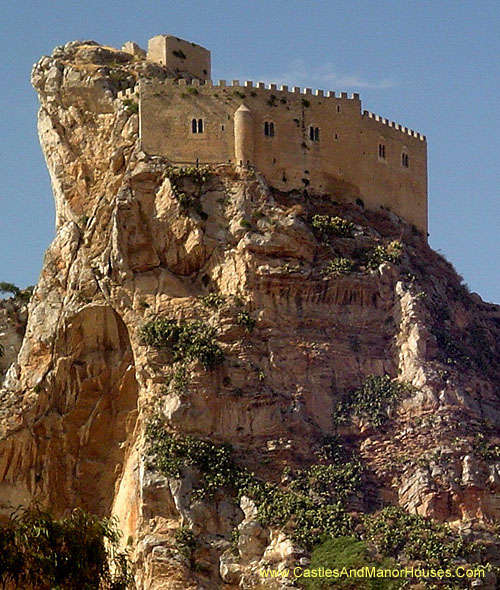
Castello delle AlbereTrento, ItalyCastello delle Albere or Palazzo delle Albere is
a Renaissance villa-fortress in northern Italy. It was built during
the 16th century by the Madruzzo family of prince-bishops of Trento.It takes its name (literally "Palace of the
trees ") from the rows of poplars that once led to the castle.
It has a square plan, with four square, 6 m-wide and 20 m tall corner
towers, surrounded by a ditch. It is surrounded by a park.The third floor has Renaissance frescoes, depicting
imaginary landscapes with ruins and castles, as well as the seven
Liberal arts, the four Cardinal virtues and the three Theological
virtues.According the legend, the castle was connected
by a secret tunnel to the city's cathedral, which was used by the
prince-bishops move unseen between them. Since 1987, it has been
the seat of the Trento and Rovereto Museum of Modern and Contemporary
Art (MART).
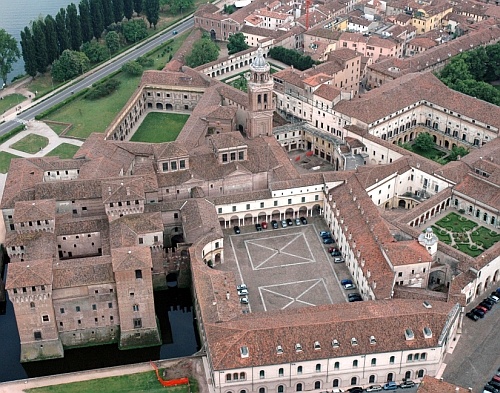
Castello delle AlbereTrento, ItalyCastello delle Albere or Palazzo delle Albere is
a Renaissance villa-fortress in northern Italy. It was built during
the 16th century by the Madruzzo family of prince-bishops of Trento.It takes its name (literally "Palace of the
trees ") from the rows of poplars that once led to the castle.
It has a square plan, with four square, 6 m-wide and 20 m tall corner
towers, surrounded by a ditch. It is surrounded by a park.The third floor has Renaissance frescoes, depicting
imaginary landscapes with ruins and castles, as well as the seven
Liberal arts, the four Cardinal virtues and the three Theological
virtues.According the legend, the castle was connected
by a secret tunnel to the city's cathedral, which was used by the
prince-bishops move unseen between them. Since 1987, it has been
the seat of the Trento and Rovereto Museum of Modern and Contemporary
Art (MART).
Castello delle AlbereTrento, ItalyCastello delle Albere or Palazzo delle Albere is
a Renaissance villa-fortress in northern Italy. It was built during
the 16th century by the Madruzzo family of prince-bishops of Trento.It takes its name (literally "Palace of the
trees ") from the rows of poplars that once led to the castle.
It has a square plan, with four square, 6 m-wide and 20 m tall corner
towers, surrounded by a ditch. It is surrounded by a park.The third floor has Renaissance frescoes, depicting
imaginary landscapes with ruins and castles, as well as the seven
Liberal arts, the four Cardinal virtues and the three Theological
virtues.According the legend, the castle was connected
by a secret tunnel to the city's cathedral, which was used by the
prince-bishops move unseen between them. Since 1987, it has been
the seat of the Trento and Rovereto Museum of Modern and Contemporary
Art (MART).
Castello delle AlbereTrento, ItalyCastello delle Albere or Palazzo delle Albere is
a Renaissance villa-fortress in northern Italy. It was built during
the 16th century by the Madruzzo family of prince-bishops of Trento.It takes its name (literally "Palace of the
trees ") from the rows of poplars that once led to the castle.
It has a square plan, with four square, 6 m-wide and 20 m tall corner
towers, surrounded by a ditch. It is surrounded by a park.The third floor has Renaissance frescoes, depicting
imaginary landscapes with ruins and castles, as well as the seven
Liberal arts, the four Cardinal virtues and the three Theological
virtues.According the legend, the castle was connected
by a secret tunnel to the city's cathedral, which was used by the
prince-bishops move unseen between them. Since 1987, it has been
the seat of the Trento and Rovereto Museum of Modern and Contemporary
Art (MART).
Castello delle AlbereTrento, ItalyCastello delle Albere or Palazzo delle Albere is
a Renaissance villa-fortress in northern Italy. It was built during
the 16th century by the Madruzzo family of prince-bishops of Trento.It takes its name (literally "Palace of the
trees ") from the rows of poplars that once led to the castle.
It has a square plan, with four square, 6 m-wide and 20 m tall corner
towers, surrounded by a ditch. It is surrounded by a park.The third floor has Renaissance frescoes, depicting
imaginary landscapes with ruins and castles, as well as the seven
Liberal arts, the four Cardinal virtues and the three Theological
virtues.According the legend, the castle was connected
by a secret tunnel to the city's cathedral, which was used by the
prince-bishops move unseen between them. Since 1987, it has been
the seat of the Trento and Rovereto Museum of Modern and Contemporary
Art (MART).
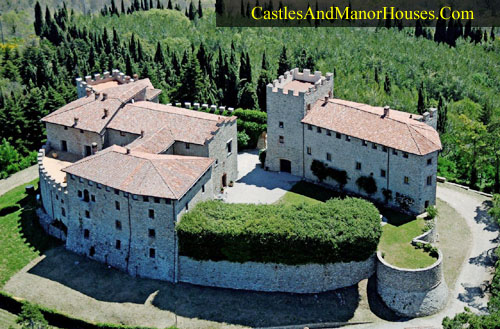
Castello delle AlbereTrento, ItalyCastello delle Albere or Palazzo delle Albere is
a Renaissance villa-fortress in northern Italy. It was built during
the 16th century by the Madruzzo family of prince-bishops of Trento.It takes its name (literally "Palace of the
trees ") from the rows of poplars that once led to the castle.
It has a square plan, with four square, 6 m-wide and 20 m tall corner
towers, surrounded by a ditch. It is surrounded by a park.The third floor has Renaissance frescoes, depicting
imaginary landscapes with ruins and castles, as well as the seven
Liberal arts, the four Cardinal virtues and the three Theological
virtues.According the legend, the castle was connected
by a secret tunnel to the city's cathedral, which was used by the
prince-bishops move unseen between them. Since 1987, it has been
the seat of the Trento and Rovereto Museum of Modern and Contemporary
Art (MART).
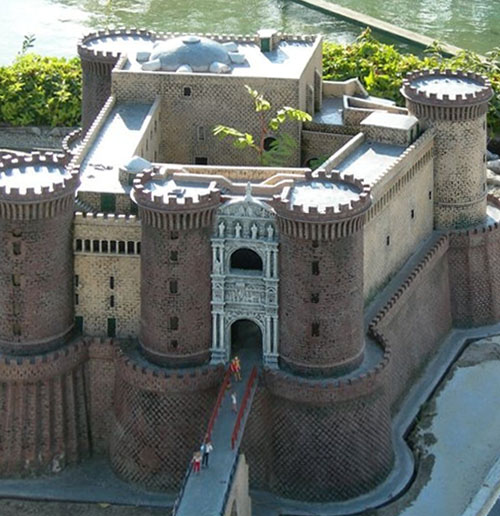
Castello delle AlbereTrento, ItalyCastello delle Albere or Palazzo delle Albere is
a Renaissance villa-fortress in northern Italy. It was built during
the 16th century by the Madruzzo family of prince-bishops of Trento.It takes its name (literally "Palace of the
trees ") from the rows of poplars that once led to the castle.
It has a square plan, with four square, 6 m-wide and 20 m tall corner
towers, surrounded by a ditch. It is surrounded by a park.The third floor has Renaissance frescoes, depicting
imaginary landscapes with ruins and castles, as well as the seven
Liberal arts, the four Cardinal virtues and the three Theological
virtues.According the legend, the castle was connected
by a secret tunnel to the city's cathedral, which was used by the
prince-bishops move unseen between them. Since 1987, it has been
the seat of the Trento and Rovereto Museum of Modern and Contemporary
Art (MART).
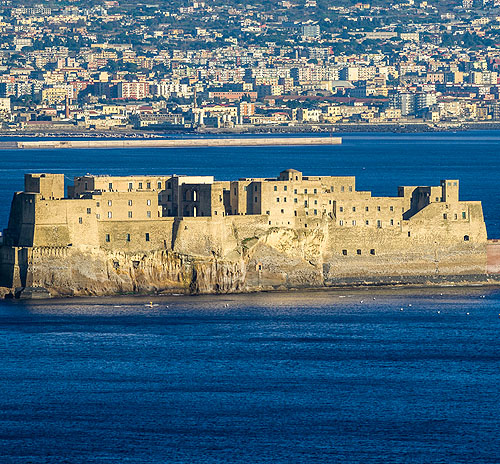
Castello delle AlbereTrento, ItalyCastello delle Albere or Palazzo delle Albere is
a Renaissance villa-fortress in northern Italy. It was built during
the 16th century by the Madruzzo family of prince-bishops of Trento.It takes its name (literally "Palace of the
trees ") from the rows of poplars that once led to the castle.
It has a square plan, with four square, 6 m-wide and 20 m tall corner
towers, surrounded by a ditch. It is surrounded by a park.The third floor has Renaissance frescoes, depicting
imaginary landscapes with ruins and castles, as well as the seven
Liberal arts, the four Cardinal virtues and the three Theological
virtues.According the legend, the castle was connected
by a secret tunnel to the city's cathedral, which was used by the
prince-bishops move unseen between them. Since 1987, it has been
the seat of the Trento and Rovereto Museum of Modern and Contemporary
Art (MART).
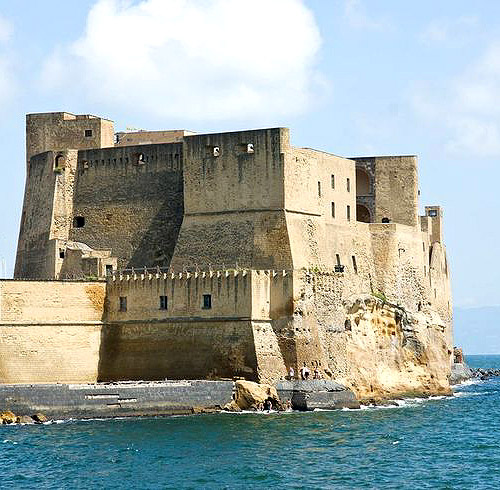
Castello delle AlbereTrento, ItalyCastello delle Albere or Palazzo delle Albere is
a Renaissance villa-fortress in northern Italy. It was built during
the 16th century by the Madruzzo family of prince-bishops of Trento.It takes its name (literally "Palace of the
trees ") from the rows of poplars that once led to the castle.
It has a square plan, with four square, 6 m-wide and 20 m tall corner
towers, surrounded by a ditch. It is surrounded by a park.The third floor has Renaissance frescoes, depicting
imaginary landscapes with ruins and castles, as well as the seven
Liberal arts, the four Cardinal virtues and the three Theological
virtues.According the legend, the castle was connected
by a secret tunnel to the city's cathedral, which was used by the
prince-bishops move unseen between them. Since 1987, it has been
the seat of the Trento and Rovereto Museum of Modern and Contemporary
Art (MART).
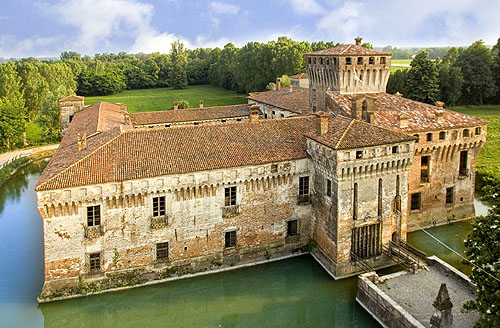
Castello delle AlbereTrento, ItalyCastello delle Albere or Palazzo delle Albere is
a Renaissance villa-fortress in northern Italy. It was built during
the 16th century by the Madruzzo family of prince-bishops of Trento.It takes its name (literally "Palace of the
trees ") from the rows of poplars that once led to the castle.
It has a square plan, with four square, 6 m-wide and 20 m tall corner
towers, surrounded by a ditch. It is surrounded by a park.The third floor has Renaissance frescoes, depicting
imaginary landscapes with ruins and castles, as well as the seven
Liberal arts, the four Cardinal virtues and the three Theological
virtues.According the legend, the castle was connected
by a secret tunnel to the city's cathedral, which was used by the
prince-bishops move unseen between them. Since 1987, it has been
the seat of the Trento and Rovereto Museum of Modern and Contemporary
Art (MART).
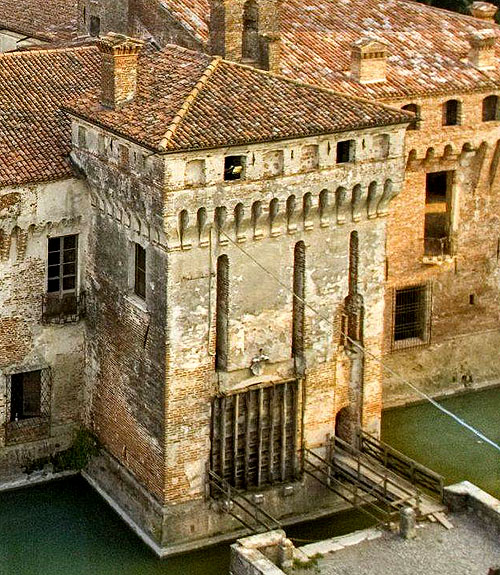
Castello delle AlbereTrento, ItalyCastello delle Albere or Palazzo delle Albere is
a Renaissance villa-fortress in northern Italy. It was built during
the 16th century by the Madruzzo family of prince-bishops of Trento.It takes its name (literally "Palace of the
trees ") from the rows of poplars that once led to the castle.
It has a square plan, with four square, 6 m-wide and 20 m tall corner
towers, surrounded by a ditch. It is surrounded by a park.The third floor has Renaissance frescoes, depicting
imaginary landscapes with ruins and castles, as well as the seven
Liberal arts, the four Cardinal virtues and the three Theological
virtues.According the legend, the castle was connected
by a secret tunnel to the city's cathedral, which was used by the
prince-bishops move unseen between them. Since 1987, it has been
the seat of the Trento and Rovereto Museum of Modern and Contemporary
Art (MART).
Castello delle AlbereTrento, ItalyCastello delle Albere or Palazzo delle Albere is
a Renaissance villa-fortress in northern Italy. It was built during
the 16th century by the Madruzzo family of prince-bishops of Trento.It takes its name (literally "Palace of the
trees ") from the rows of poplars that once led to the castle.
It has a square plan, with four square, 6 m-wide and 20 m tall corner
towers, surrounded by a ditch. It is surrounded by a park.The third floor has Renaissance frescoes, depicting
imaginary landscapes with ruins and castles, as well as the seven
Liberal arts, the four Cardinal virtues and the three Theological
virtues.According the legend, the castle was connected
by a secret tunnel to the city's cathedral, which was used by the
prince-bishops move unseen between them. Since 1987, it has been
the seat of the Trento and Rovereto Museum of Modern and Contemporary
Art (MART).
Castello delle AlbereTrento, ItalyCastello delle Albere or Palazzo delle Albere is
a Renaissance villa-fortress in northern Italy. It was built during
the 16th century by the Madruzzo family of prince-bishops of Trento.It takes its name (literally "Palace of the
trees ") from the rows of poplars that once led to the castle.
It has a square plan, with four square, 6 m-wide and 20 m tall corner
towers, surrounded by a ditch. It is surrounded by a park.The third floor has Renaissance frescoes, depicting
imaginary landscapes with ruins and castles, as well as the seven
Liberal arts, the four Cardinal virtues and the three Theological
virtues.According the legend, the castle was connected
by a secret tunnel to the city's cathedral, which was used by the
prince-bishops move unseen between them. Since 1987, it has been
the seat of the Trento and Rovereto Museum of Modern and Contemporary
Art (MART).
Castello delle AlbereTrento, ItalyCastello delle Albere or Palazzo delle Albere is
a Renaissance villa-fortress in northern Italy. It was built during
the 16th century by the Madruzzo family of prince-bishops of Trento.It takes its name (literally "Palace of the
trees ") from the rows of poplars that once led to the castle.
It has a square plan, with four square, 6 m-wide and 20 m tall corner
towers, surrounded by a ditch. It is surrounded by a park.The third floor has Renaissance frescoes, depicting
imaginary landscapes with ruins and castles, as well as the seven
Liberal arts, the four Cardinal virtues and the three Theological
virtues.According the legend, the castle was connected
by a secret tunnel to the city's cathedral, which was used by the
prince-bishops move unseen between them. Since 1987, it has been
the seat of the Trento and Rovereto Museum of Modern and Contemporary
Art (MART).
Castello delle AlbereTrento, ItalyCastello delle Albere or Palazzo delle Albere is
a Renaissance villa-fortress in northern Italy. It was built during
the 16th century by the Madruzzo family of prince-bishops of Trento.It takes its name (literally "Palace of the
trees ") from the rows of poplars that once led to the castle.
It has a square plan, with four square, 6 m-wide and 20 m tall corner
towers, surrounded by a ditch. It is surrounded by a park.The third floor has Renaissance frescoes, depicting
imaginary landscapes with ruins and castles, as well as the seven
Liberal arts, the four Cardinal virtues and the three Theological
virtues.According the legend, the castle was connected
by a secret tunnel to the city's cathedral, which was used by the
prince-bishops move unseen between them. Since 1987, it has been
the seat of the Trento and Rovereto Museum of Modern and Contemporary
Art (MART).
Castello delle AlbereTrento, ItalyCastello delle Albere or Palazzo delle Albere is
a Renaissance villa-fortress in northern Italy. It was built during
the 16th century by the Madruzzo family of prince-bishops of Trento.It takes its name (literally "Palace of the
trees ") from the rows of poplars that once led to the castle.
It has a square plan, with four square, 6 m-wide and 20 m tall corner
towers, surrounded by a ditch. It is surrounded by a park.The third floor has Renaissance frescoes, depicting
imaginary landscapes with ruins and castles, as well as the seven
Liberal arts, the four Cardinal virtues and the three Theological
virtues.According the legend, the castle was connected
by a secret tunnel to the city's cathedral, which was used by the
prince-bishops move unseen between them. Since 1987, it has been
the seat of the Trento and Rovereto Museum of Modern and Contemporary
Art (MART).
Castello delle AlbereTrento, ItalyCastello delle Albere or Palazzo delle Albere is
a Renaissance villa-fortress in northern Italy. It was built during
the 16th century by the Madruzzo family of prince-bishops of Trento.It takes its name (literally "Palace of the
trees ") from the rows of poplars that once led to the castle.
It has a square plan, with four square, 6 m-wide and 20 m tall corner
towers, surrounded by a ditch. It is surrounded by a park.The third floor has Renaissance frescoes, depicting
imaginary landscapes with ruins and castles, as well as the seven
Liberal arts, the four Cardinal virtues and the three Theological
virtues.According the legend, the castle was connected
by a secret tunnel to the city's cathedral, which was used by the
prince-bishops move unseen between them. Since 1987, it has been
the seat of the Trento and Rovereto Museum of Modern and Contemporary
Art (MART).
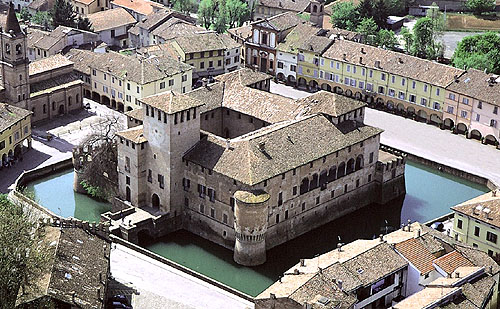
Castello delle AlbereTrento, ItalyCastello delle Albere or Palazzo delle Albere is
a Renaissance villa-fortress in northern Italy. It was built during
the 16th century by the Madruzzo family of prince-bishops of Trento.It takes its name (literally "Palace of the
trees ") from the rows of poplars that once led to the castle.
It has a square plan, with four square, 6 m-wide and 20 m tall corner
towers, surrounded by a ditch. It is surrounded by a park.The third floor has Renaissance frescoes, depicting
imaginary landscapes with ruins and castles, as well as the seven
Liberal arts, the four Cardinal virtues and the three Theological
virtues.According the legend, the castle was connected
by a secret tunnel to the city's cathedral, which was used by the
prince-bishops move unseen between them. Since 1987, it has been
the seat of the Trento and Rovereto Museum of Modern and Contemporary
Art (MART).
Castello delle AlbereTrento, ItalyCastello delle Albere or Palazzo delle Albere is
a Renaissance villa-fortress in northern Italy. It was built during
the 16th century by the Madruzzo family of prince-bishops of Trento.It takes its name (literally "Palace of the
trees ") from the rows of poplars that once led to the castle.
It has a square plan, with four square, 6 m-wide and 20 m tall corner
towers, surrounded by a ditch. It is surrounded by a park.The third floor has Renaissance frescoes, depicting
imaginary landscapes with ruins and castles, as well as the seven
Liberal arts, the four Cardinal virtues and the three Theological
virtues.According the legend, the castle was connected
by a secret tunnel to the city's cathedral, which was used by the
prince-bishops move unseen between them. Since 1987, it has been
the seat of the Trento and Rovereto Museum of Modern and Contemporary
Art (MART).
Castello delle AlbereTrento, ItalyCastello delle Albere or Palazzo delle Albere is
a Renaissance villa-fortress in northern Italy. It was built during
the 16th century by the Madruzzo family of prince-bishops of Trento.It takes its name (literally "Palace of the
trees ") from the rows of poplars that once led to the castle.
It has a square plan, with four square, 6 m-wide and 20 m tall corner
towers, surrounded by a ditch. It is surrounded by a park.The third floor has Renaissance frescoes, depicting
imaginary landscapes with ruins and castles, as well as the seven
Liberal arts, the four Cardinal virtues and the three Theological
virtues.According the legend, the castle was connected
by a secret tunnel to the city's cathedral, which was used by the
prince-bishops move unseen between them. Since 1987, it has been
the seat of the Trento and Rovereto Museum of Modern and Contemporary
Art (MART).
Castello delle AlbereTrento, ItalyCastello delle Albere or Palazzo delle Albere is
a Renaissance villa-fortress in northern Italy. It was built during
the 16th century by the Madruzzo family of prince-bishops of Trento.It takes its name (literally "Palace of the
trees ") from the rows of poplars that once led to the castle.
It has a square plan, with four square, 6 m-wide and 20 m tall corner
towers, surrounded by a ditch. It is surrounded by a park.The third floor has Renaissance frescoes, depicting
imaginary landscapes with ruins and castles, as well as the seven
Liberal arts, the four Cardinal virtues and the three Theological
virtues.According the legend, the castle was connected
by a secret tunnel to the city's cathedral, which was used by the
prince-bishops move unseen between them. Since 1987, it has been
the seat of the Trento and Rovereto Museum of Modern and Contemporary
Art (MART).
Castello delle AlbereTrento, ItalyCastello delle Albere or Palazzo delle Albere is
a Renaissance villa-fortress in northern Italy. It was built during
the 16th century by the Madruzzo family of prince-bishops of Trento.It takes its name (literally "Palace of the
trees ") from the rows of poplars that once led to the castle.
It has a square plan, with four square, 6 m-wide and 20 m tall corner
towers, surrounded by a ditch. It is surrounded by a park.The third floor has Renaissance frescoes, depicting
imaginary landscapes with ruins and castles, as well as the seven
Liberal arts, the four Cardinal virtues and the three Theological
virtues.According the legend, the castle was connected
by a secret tunnel to the city's cathedral, which was used by the
prince-bishops move unseen between them. Since 1987, it has been
the seat of the Trento and Rovereto Museum of Modern and Contemporary
Art (MART).
Castello delle AlbereTrento, ItalyCastello delle Albere or Palazzo delle Albere is
a Renaissance villa-fortress in northern Italy. It was built during
the 16th century by the Madruzzo family of prince-bishops of Trento.It takes its name (literally "Palace of the
trees ") from the rows of poplars that once led to the castle.
It has a square plan, with four square, 6 m-wide and 20 m tall corner
towers, surrounded by a ditch. It is surrounded by a park.The third floor has Renaissance frescoes, depicting
imaginary landscapes with ruins and castles, as well as the seven
Liberal arts, the four Cardinal virtues and the three Theological
virtues.According the legend, the castle was connected
by a secret tunnel to the city's cathedral, which was used by the
prince-bishops move unseen between them. Since 1987, it has been
the seat of the Trento and Rovereto Museum of Modern and Contemporary
Art (MART).
Castello delle AlbereTrento, ItalyCastello delle Albere or Palazzo delle Albere is
a Renaissance villa-fortress in northern Italy. It was built during
the 16th century by the Madruzzo family of prince-bishops of Trento.It takes its name (literally "Palace of the
trees ") from the rows of poplars that once led to the castle.
It has a square plan, with four square, 6 m-wide and 20 m tall corner
towers, surrounded by a ditch. It is surrounded by a park.The third floor has Renaissance frescoes, depicting
imaginary landscapes with ruins and castles, as well as the seven
Liberal arts, the four Cardinal virtues and the three Theological
virtues.According the legend, the castle was connected
by a secret tunnel to the city's cathedral, which was used by the
prince-bishops move unseen between them. Since 1987, it has been
the seat of the Trento and Rovereto Museum of Modern and Contemporary
Art (MART).
Castello delle AlbereTrento, ItalyCastello delle Albere or Palazzo delle Albere is
a Renaissance villa-fortress in northern Italy. It was built during
the 16th century by the Madruzzo family of prince-bishops of Trento.It takes its name (literally "Palace of the
trees ") from the rows of poplars that once led to the castle.
It has a square plan, with four square, 6 m-wide and 20 m tall corner
towers, surrounded by a ditch. It is surrounded by a park.The third floor has Renaissance frescoes, depicting
imaginary landscapes with ruins and castles, as well as the seven
Liberal arts, the four Cardinal virtues and the three Theological
virtues.According the legend, the castle was connected
by a secret tunnel to the city's cathedral, which was used by the
prince-bishops move unseen between them. Since 1987, it has been
the seat of the Trento and Rovereto Museum of Modern and Contemporary
Art (MART).
Castello delle AlbereTrento, ItalyCastello delle Albere or Palazzo delle Albere is
a Renaissance villa-fortress in northern Italy. It was built during
the 16th century by the Madruzzo family of prince-bishops of Trento.It takes its name (literally "Palace of the
trees ") from the rows of poplars that once led to the castle.
It has a square plan, with four square, 6 m-wide and 20 m tall corner
towers, surrounded by a ditch. It is surrounded by a park.The third floor has Renaissance frescoes, depicting
imaginary landscapes with ruins and castles, as well as the seven
Liberal arts, the four Cardinal virtues and the three Theological
virtues.According the legend, the castle was connected
by a secret tunnel to the city's cathedral, which was used by the
prince-bishops move unseen between them. Since 1987, it has been
the seat of the Trento and Rovereto Museum of Modern and Contemporary
Art (MART).
Castello delle AlbereTrento, ItalyCastello delle Albere or Palazzo delle Albere is
a Renaissance villa-fortress in northern Italy. It was built during
the 16th century by the Madruzzo family of prince-bishops of Trento.It takes its name (literally "Palace of the
trees ") from the rows of poplars that once led to the castle.
It has a square plan, with four square, 6 m-wide and 20 m tall corner
towers, surrounded by a ditch. It is surrounded by a park.The third floor has Renaissance frescoes, depicting
imaginary landscapes with ruins and castles, as well as the seven
Liberal arts, the four Cardinal virtues and the three Theological
virtues.According the legend, the castle was connected
by a secret tunnel to the city's cathedral, which was used by the
prince-bishops move unseen between them. Since 1987, it has been
the seat of the Trento and Rovereto Museum of Modern and Contemporary
Art (MART).