Types of Castle and The History of Castles
Motte & Bailey Castles
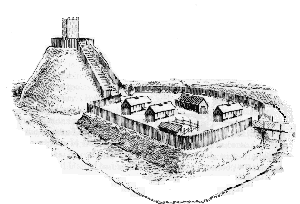
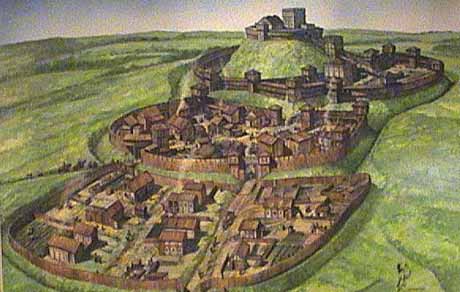
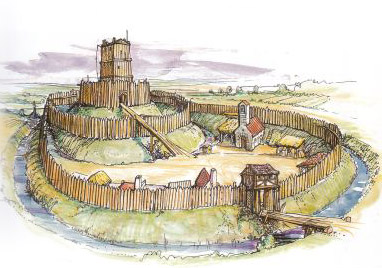
A motte-and-bailey is a form of castle situated on a raised earthwork and surrounded by a ditch and protective fence. This was the most common form of castle in Europe in the 11th century, except in Scandinavia.
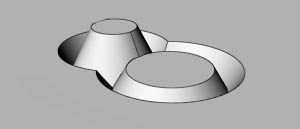
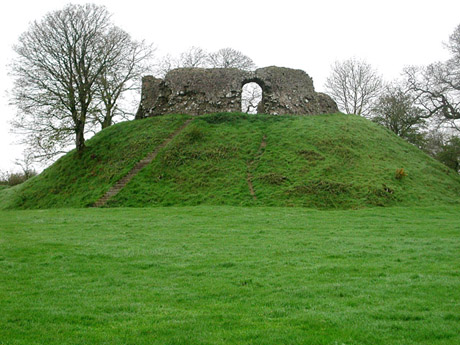
Mottes were mounds, some natural, some man made, surmounted by a tower. Around them was a ditch, sometimes filled with water. For man-made mottes the earth needed to build it was taken from the surrounding ditch to create another defensive feature. The closeness of connection between the mound and the ditch is reflected in their names: Motte and Moat come from the same medieval root.
The bailey was an outer enclosure, which was also defended by a fence and sometimes a ditch, providing a first, outer line of defence for the motte.
Motte and Bailey castles were built in Britain, Ireland and France in the 11th and 12th centuries. They were relatively cheap but effective defensive fortification that could repel small attacks.
The motte and bailey remained the dominant form of castle in England, Wales, and Ireland well into the 12th century. At the same time, castle architecture in mainland Europe became more sophisticated.
The Motte
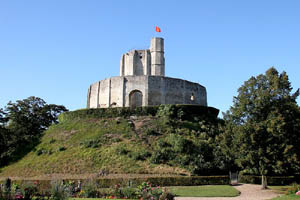
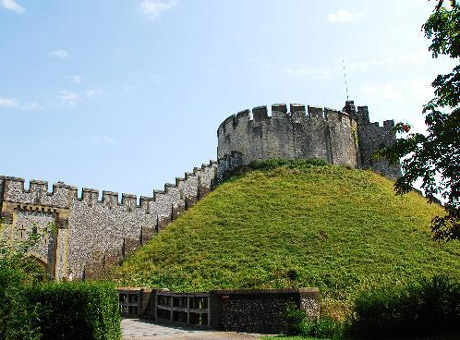
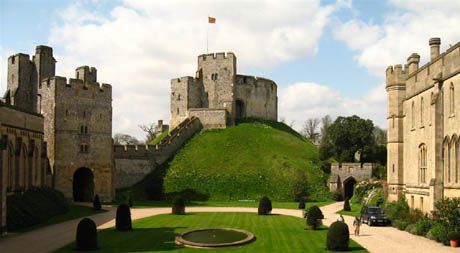
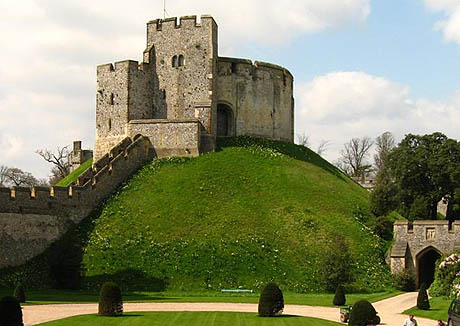
A motte is a mound, either natural or artificial, topped with a tower known as a keep. The earth for an artificial mound would be taken from a ditch, dug around the motte or around the whole castle.
The outer surface of the mound could be covered with clay or strengthened with wooden supports.
Most early mottes were topped with wooden structures, which could be built with readily available materials and without highly skilled labour. Many such structures were later replaced with stone keeps.
There are two surviving examples of castles with two mottes, one is Lewes Castle and the other Lincoln Castle.
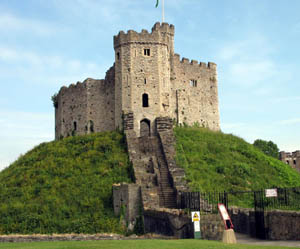
The Bailey
A bailey is an enclosed courtyard, typically surrounded by a wooden palisade overlooked by the motte. It was used as a living area by vassals who served the lord of the castle, generally including a blacksmith, a miller and most of the necessary craftsmen of the age.
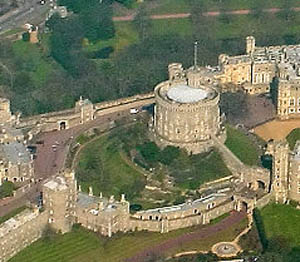
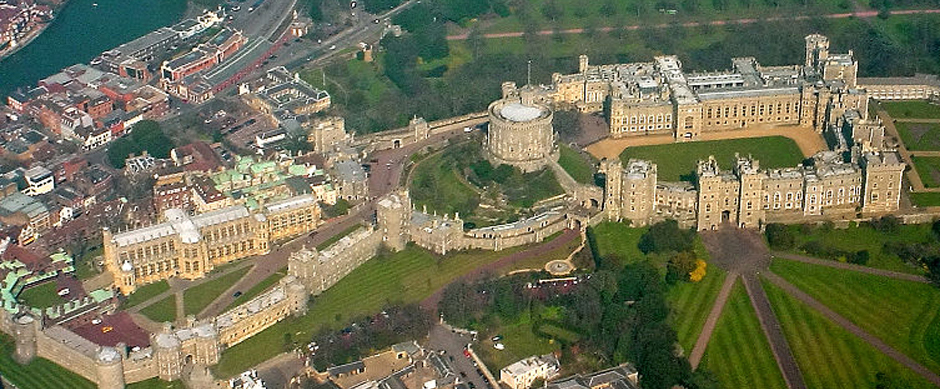
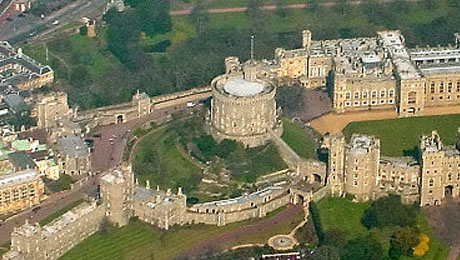
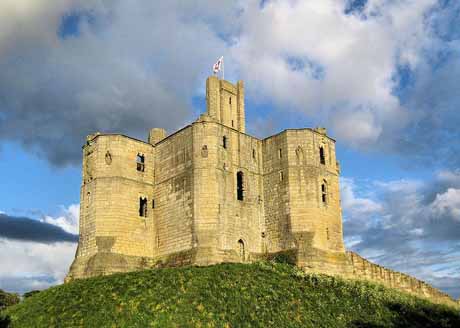
A castle could have more than one bailey, sometimes an inner and an outer, such as at Warkworth Castle, where expansion of the castle led to enclosure of a new bailey with a wall. Alternatively, the multiple baileys could flank the motte, as at Windsor Castle.
The bailey was often enclosed inside another wooden palisade and surrounding ditch, adding an extra layer of protection. It was connected to the motte by a timber drawbridge, which could be separated from the bailey as a last defence mechanism.
There was in many cases another drawbridge at the entrance into the bailey that could similarly be raised for protection. The bailey would typically contain a hall, stables for the horses and cattle, a chapel, and huts for the nobleman's people. There were often shops inside the bailey for local merchants.
Motte and bailey castles later evolved into Norman castles that evolved later into even better Concentric castles. Indeed the concentric design is already latent here, with the keep involving into an inner castle and the bailey an outer castle.
Originally a bailey was controlled by an officer called a bailiff. In time his jurisdiction came to known as a bailiwick.
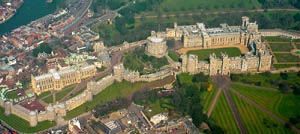
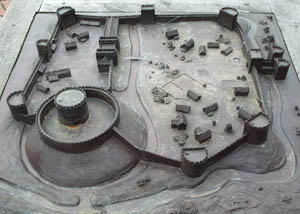
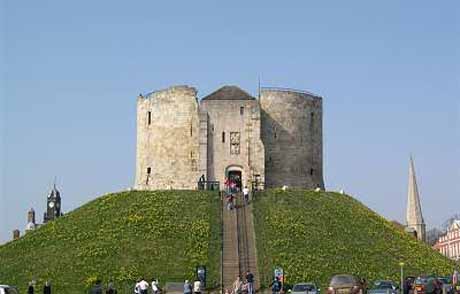
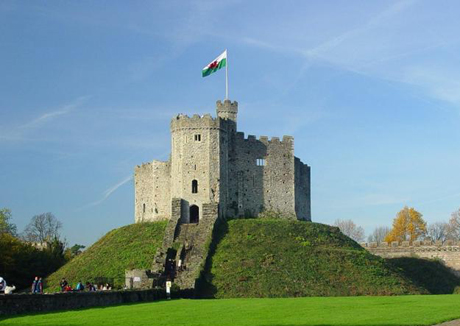
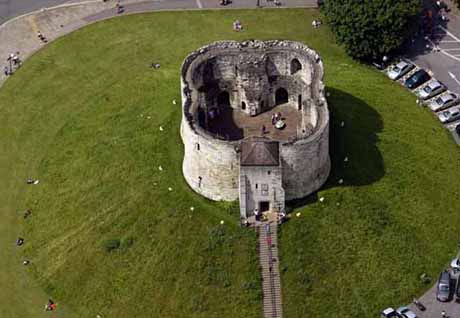
Examples of Motte & Bailey Castles
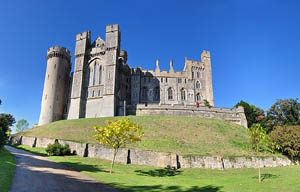
Photos of Motte & Bailey Castles
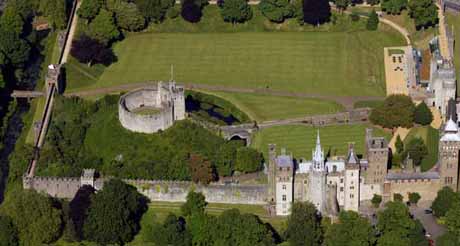
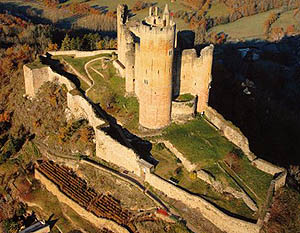
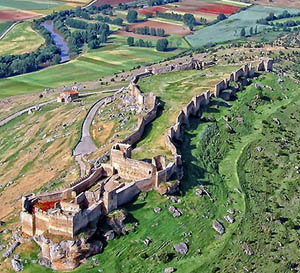
More on Types of Castle and History of Castles
Click on any of the following links to learn more about specific types of castle
- Ancient Castles: The basics of attack and defence
- Castles Around the world
- Motte & Bailey Castles European castles around 1000 AD
- Norman Castles The first significant European castles with stone keeps.
- Crusader Castles & Concentric Castles Evolution of design due to lessons learned in the Levant.
- Cathar Castles Distinctive hilltop castles of the Languedoc
- Japanese Castles
- Town Fortifications - Defensible villages and towns
- Fortified
Houses Defensible Manors and other defensible houses.
- Tower Houses Defensible Towers.
- Peel Towers Defensible Towers in the Scottish Borders.
- Bastle Houses Defensible Scottish Houses.
- Irish Fortified Houses Defensible Irish houses.
- Defensible Manor Houses Defensible English houses.
- Star Forts Castle design affected by the rising power of fire arms and the innovations of de Vauban
- Stately Homes - New Great Country Houses
- Palaces - Around the world
- Romantic & Decorative Castles. Looking like romanticised castles and built for comfort, notably:
- Manors
- Town Houses